Buying & Selling
Questions to Ask About a New Build Pretreatment
Four treatment stages, one release form only an owner should sign, and the coverage question to settle before the builder's year runs…
Read article
Written for Sandhills soil, slab and crawl space alike, and a termite swarm window that opens in late winter and does not shut until autumn.
Most pest advice online is written around a single spring swarm, and that is not how it works in this part of North Carolina. NC State's own guidance puts native subterranean termite swarming from late winter through to September or October, usually in daylight on warm days after rain. So there is no one week to watch for and no quiet middle to the year. Roaches move indoors whenever a downpour saturates the ground, fire ant mounds push back up within days of being knocked down, and mosquitoes build from early spring and hold until the nights properly cool.
These guides are arranged around what is actually moving rather than around a tidy spring-to-autumn arc. Alongside the seasonal pieces there is identification, reading a crawl space or a slab, what a WDIR-100 does and does not tell a buyer, notes for landlords turning a unit over between tenants, and honest lines about where a Saturday of your own work beats paying somebody. If something is active today, the services pages set out how each treatment runs and the pricing guide carries the estimated ranges.
Four treatment stages, one release form only an owner should sign, and the coverage question to settle before the builder's year runs…
Read article
Search results hand you ads. These are the questions to ask before you book, the red flags, and the six items North…
Read article
From 1 May to 31 July nobody can lawfully seal bats out of a North Carolina attic. Here is what can be…
Read article
There is no flat rule in North Carolina about who pays. There is a landlord duty that cannot be waived, a tenant…
Read article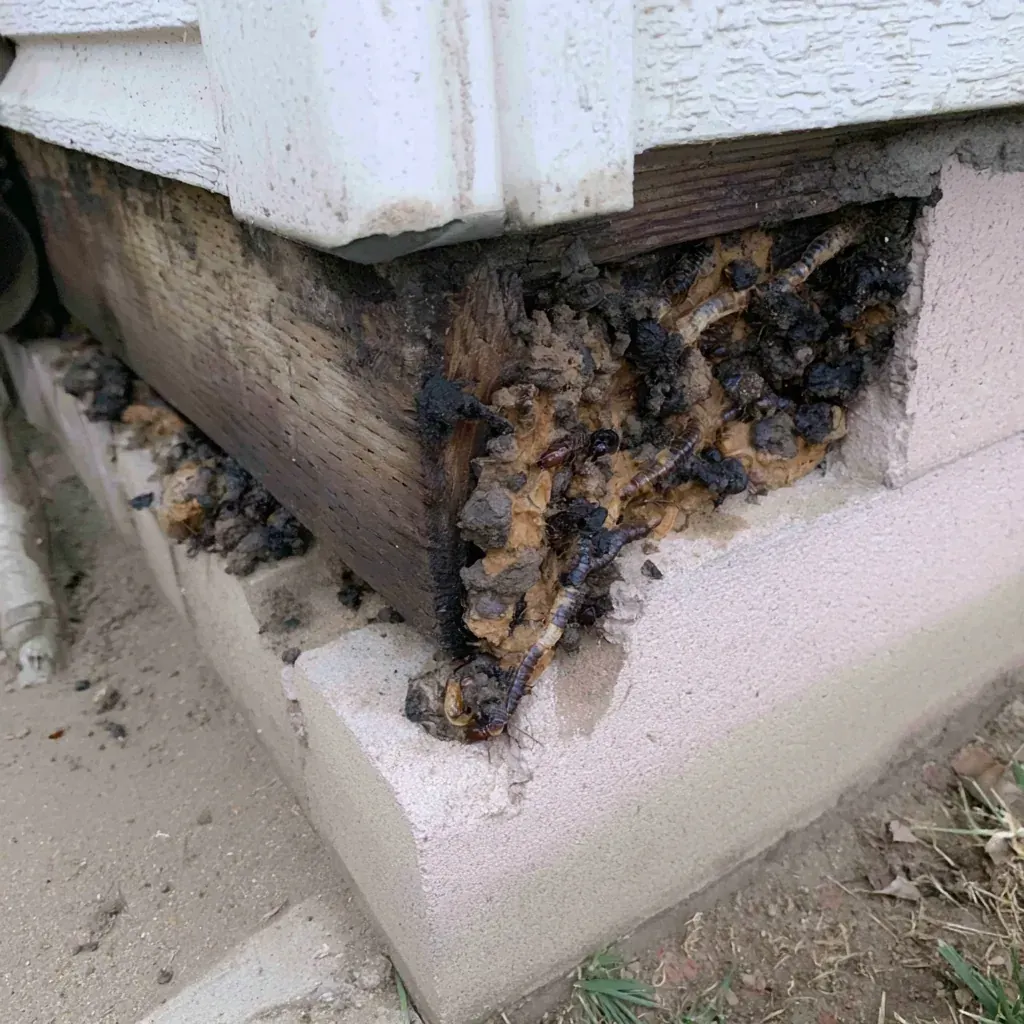
Somebody in every deal says they just need a clear termite letter. The agency that adopted the form says the opposite, and…
Read article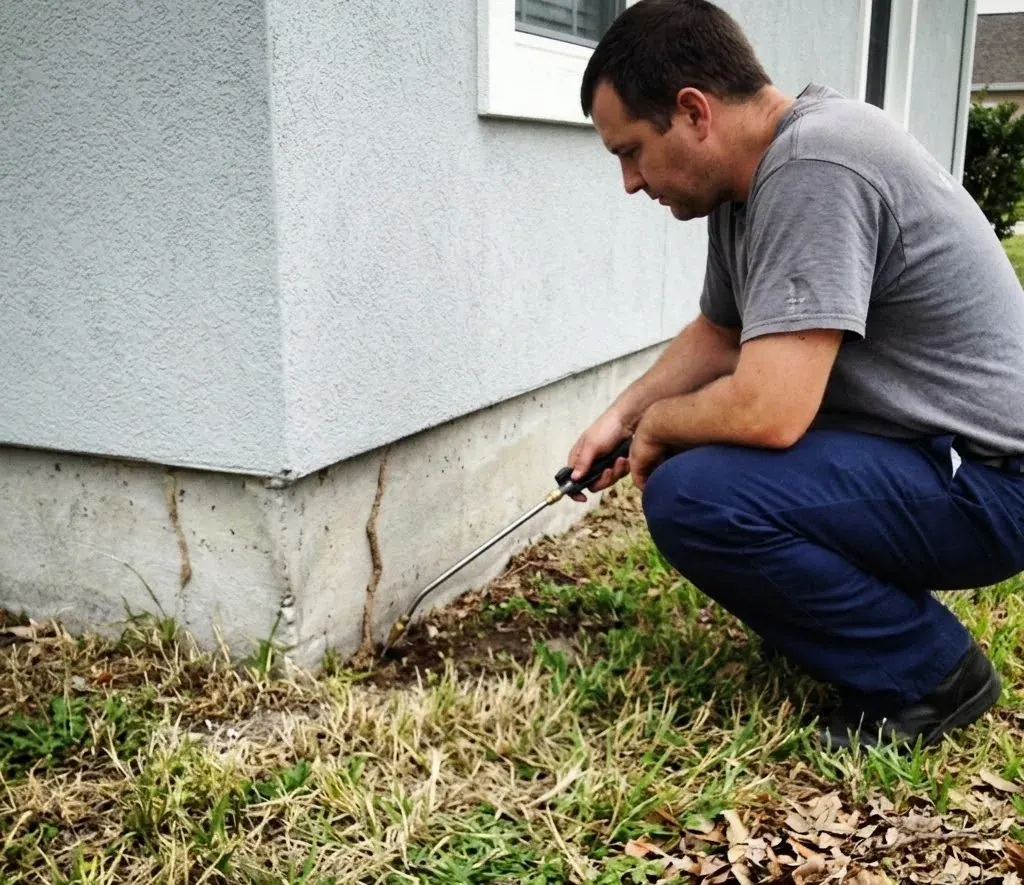
Drenching the mound you can see usually shifts the colony a few feet. Bait first, then mound work, is what holds a…
Read article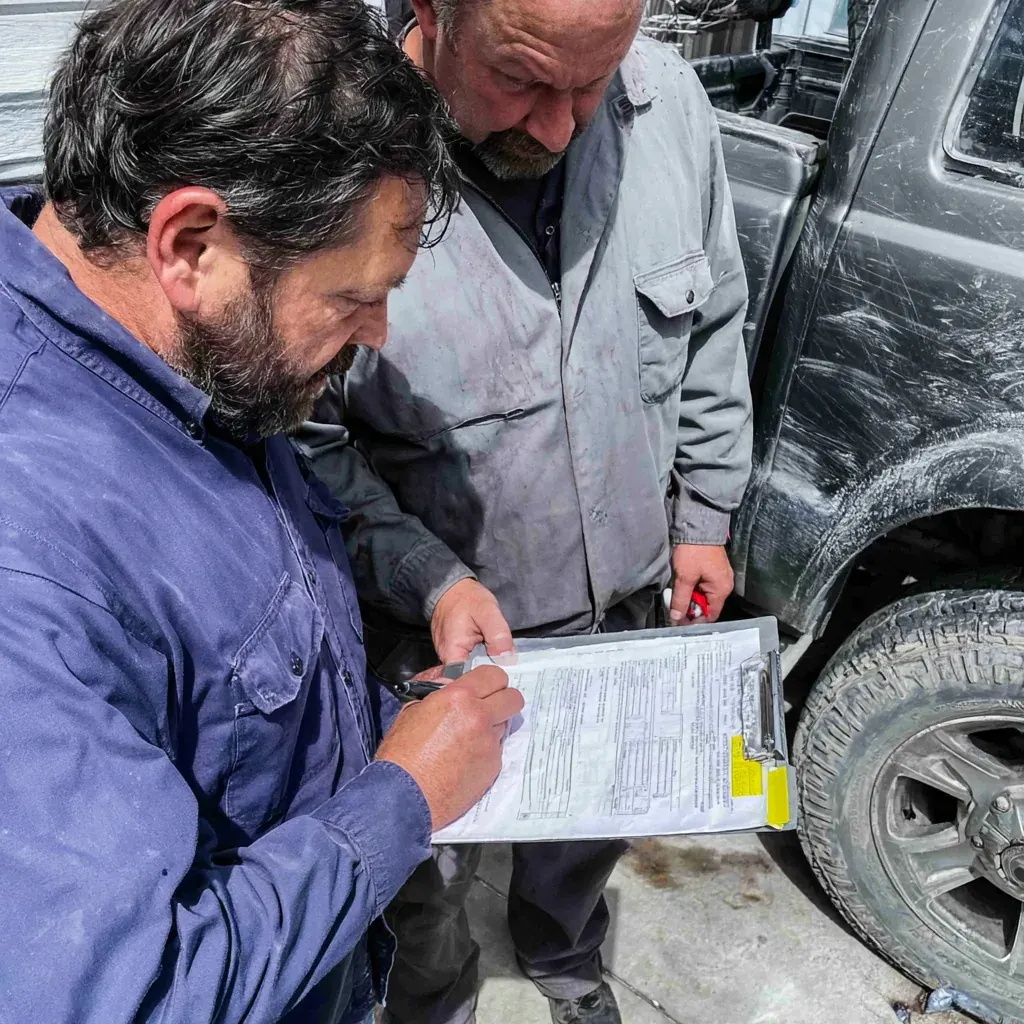
Print the proposal, sit down with a pen, and read it against six items. North Carolina already requires all six in writing…
Read article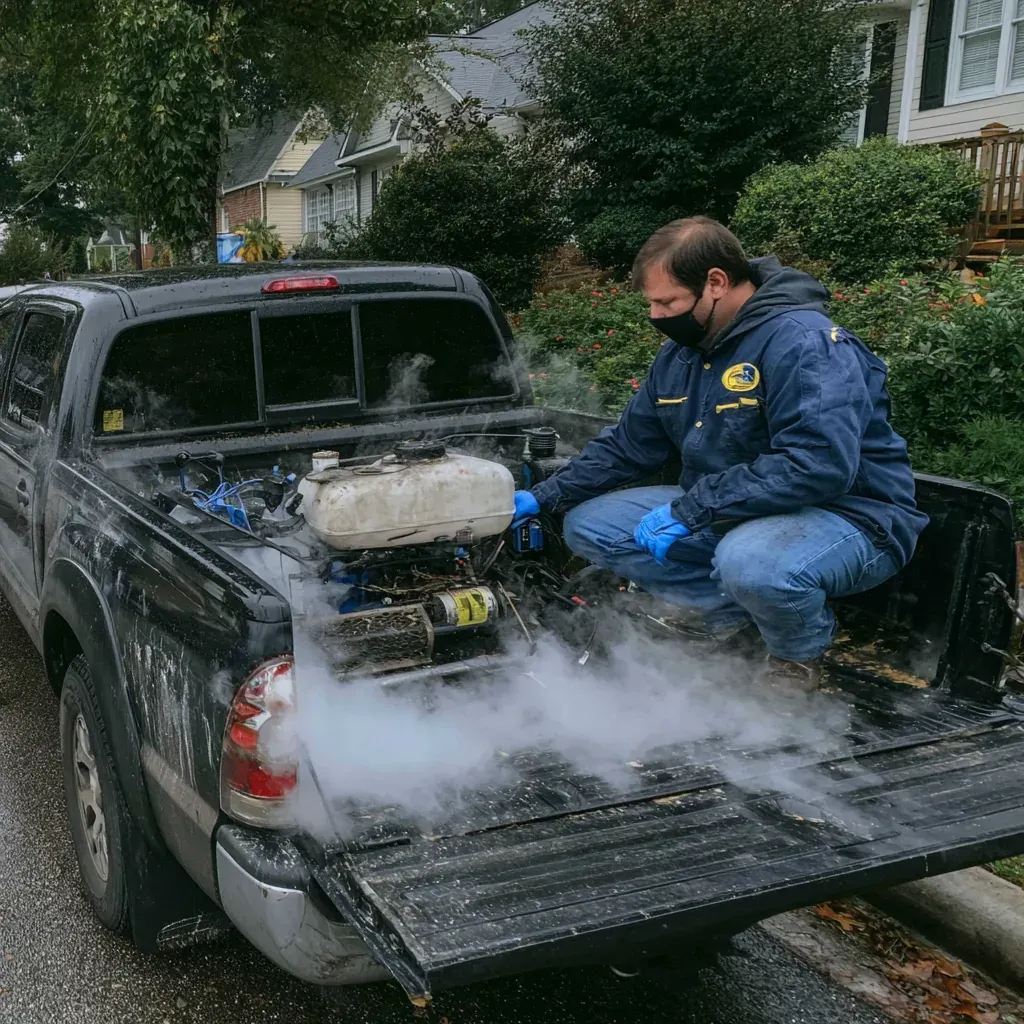
Two problems share one name: the water that produces mosquitoes and the shade the adults rest in. Ignore either one and the…
Read article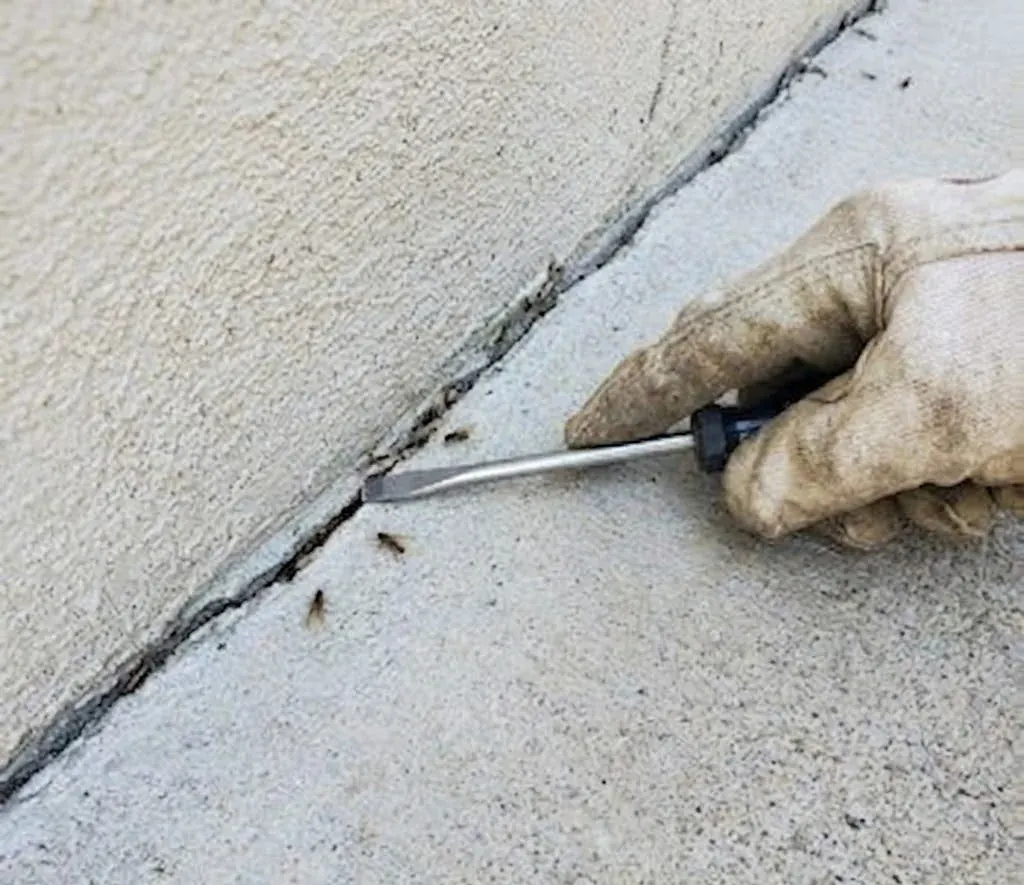
Wings on a sill in March, and again in August. The North Carolina swarm window runs from late winter into fall, in…
Read article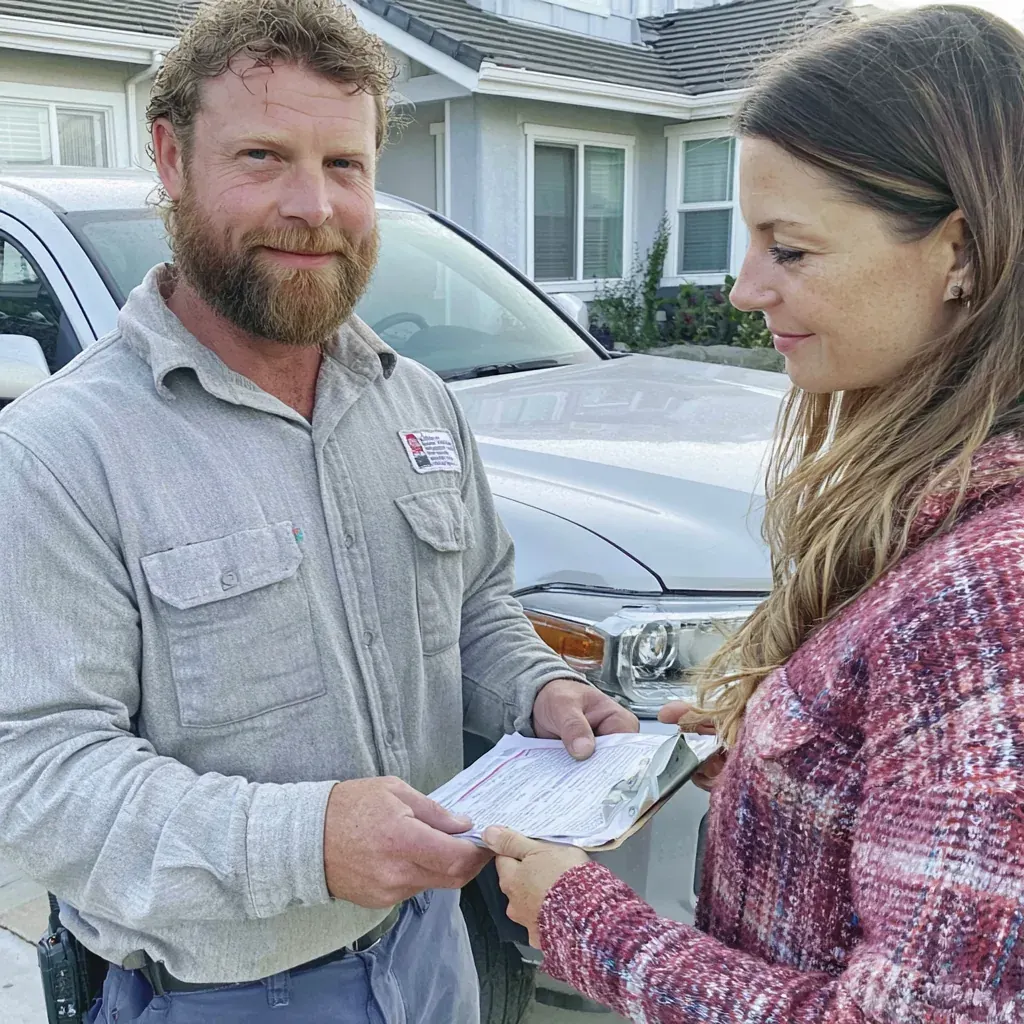
The North Carolina lender form explained without the closing-table shorthand, including why a clear report was never the thing to aim for.
Read article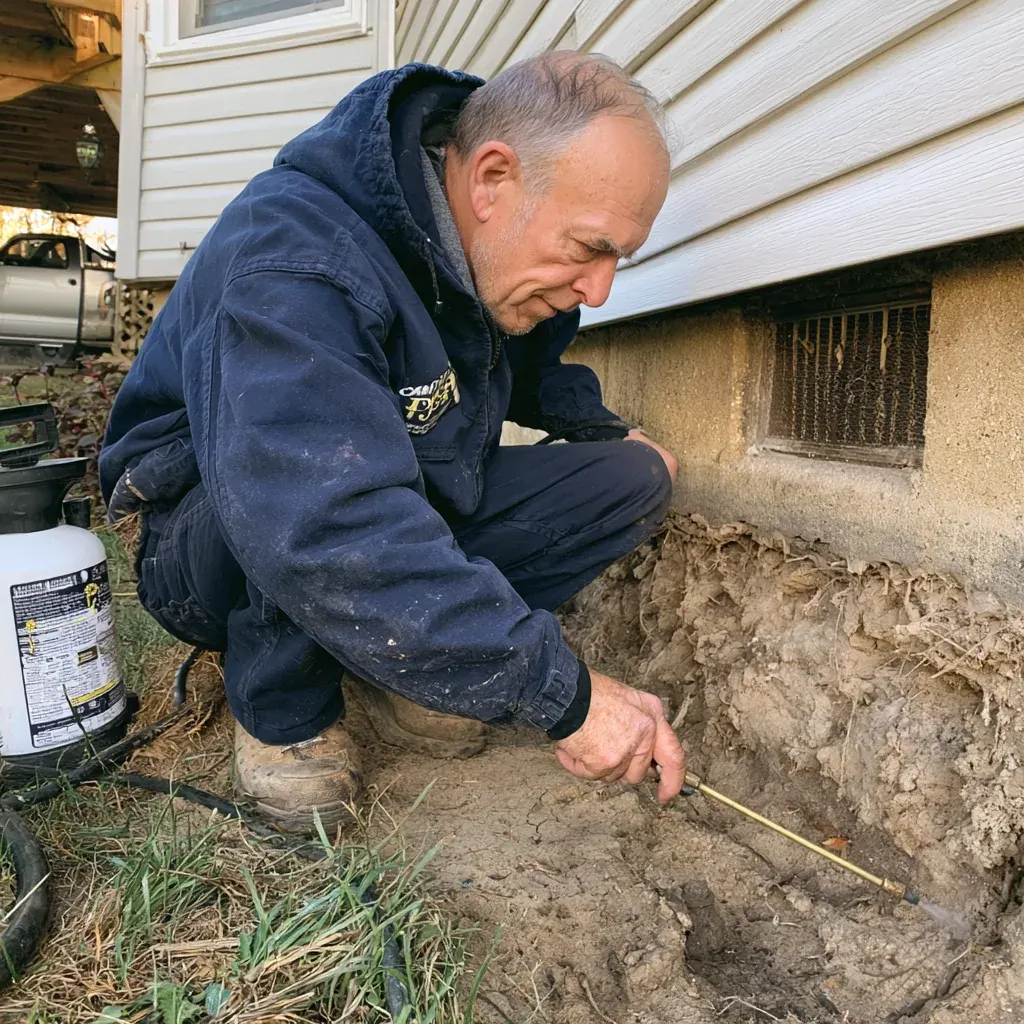
Vents and a hatch, or concrete and a bath trap. Which foundation you have decides how the house gets inspected, treated and…
Read article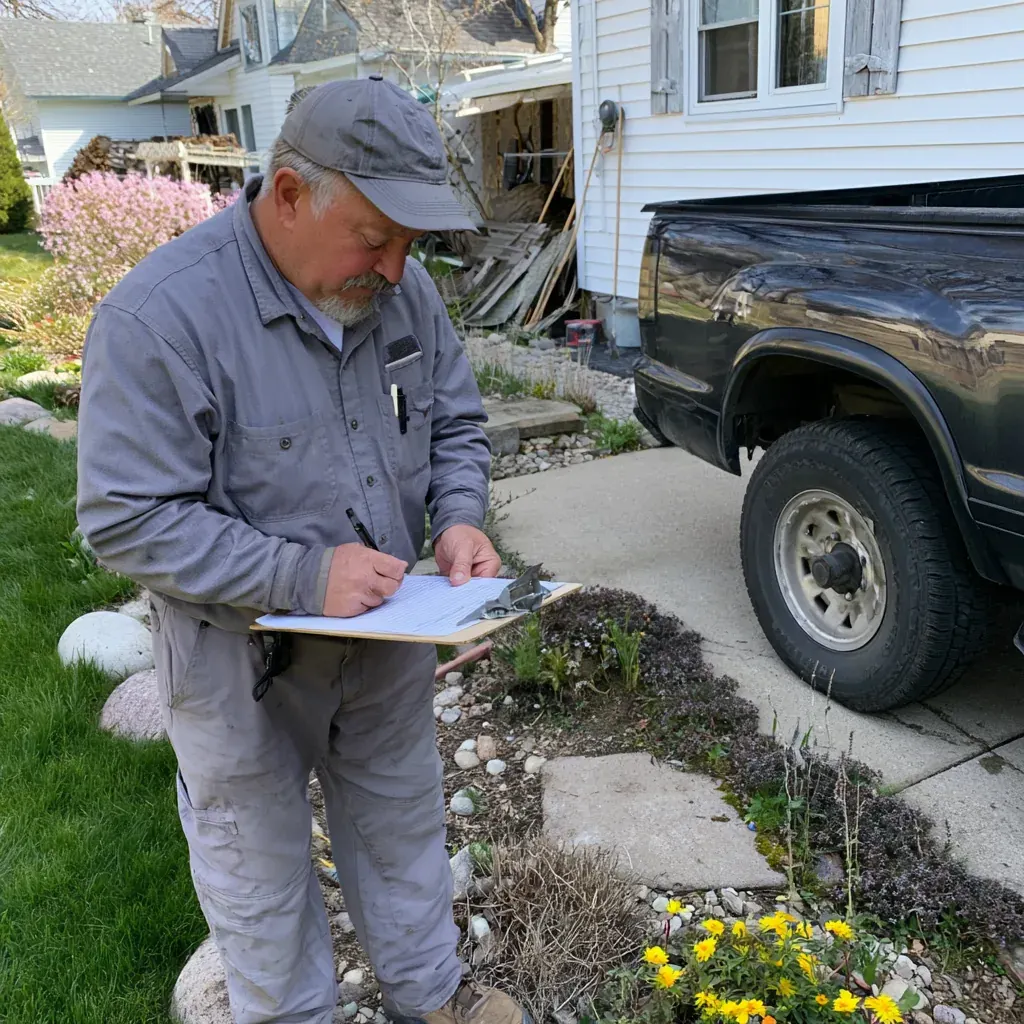
What actually moves a pest control price around here, with hedged ranges and the one charge people forget to ask about separately.
Read article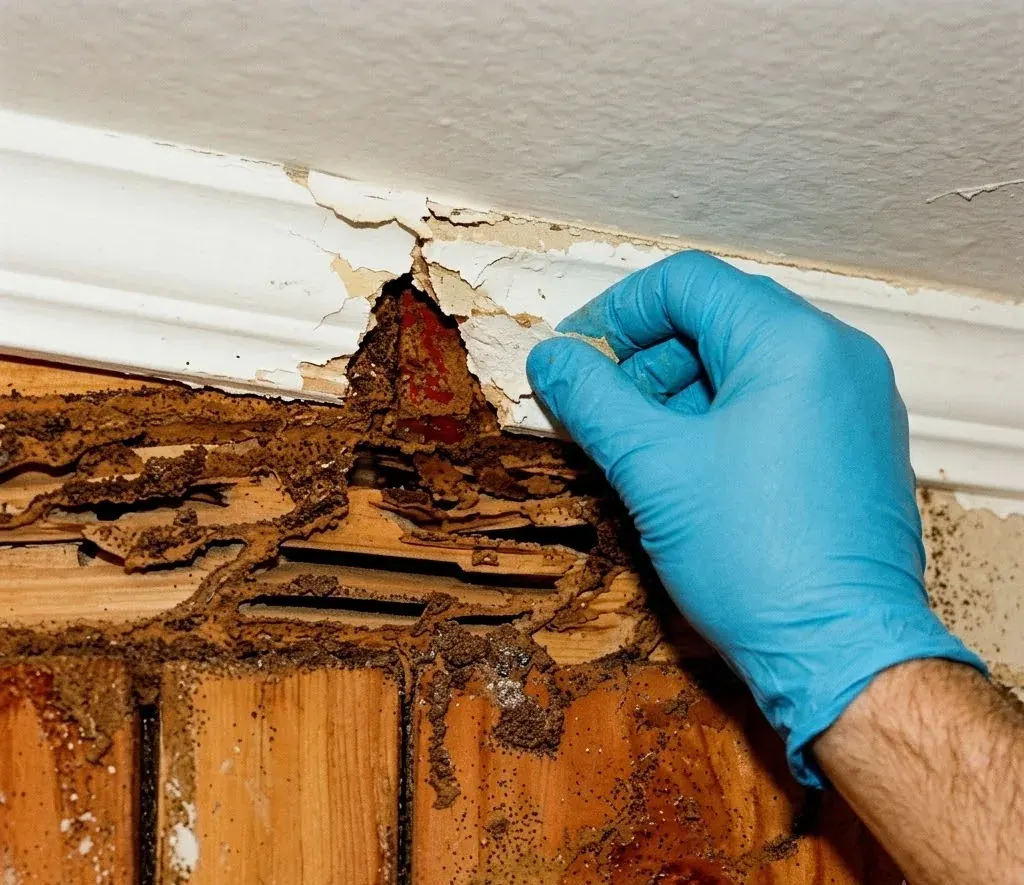
One clause decides whether a company comes back to spray or pays for carpentry. Most homeowners never read it until the joist…
Read article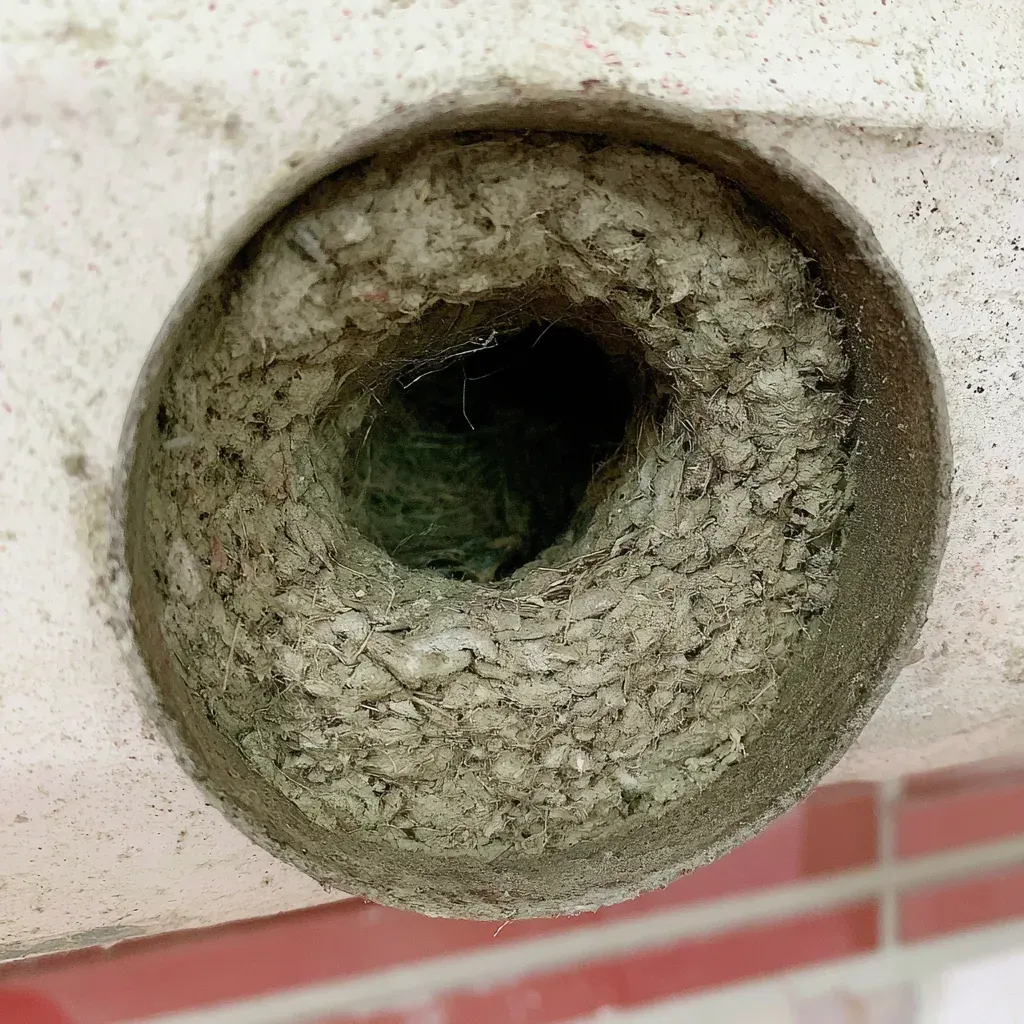
Traps thin out what is already inside. Sealing is the half of the job that keeps you from repeating the exercise next…
Read article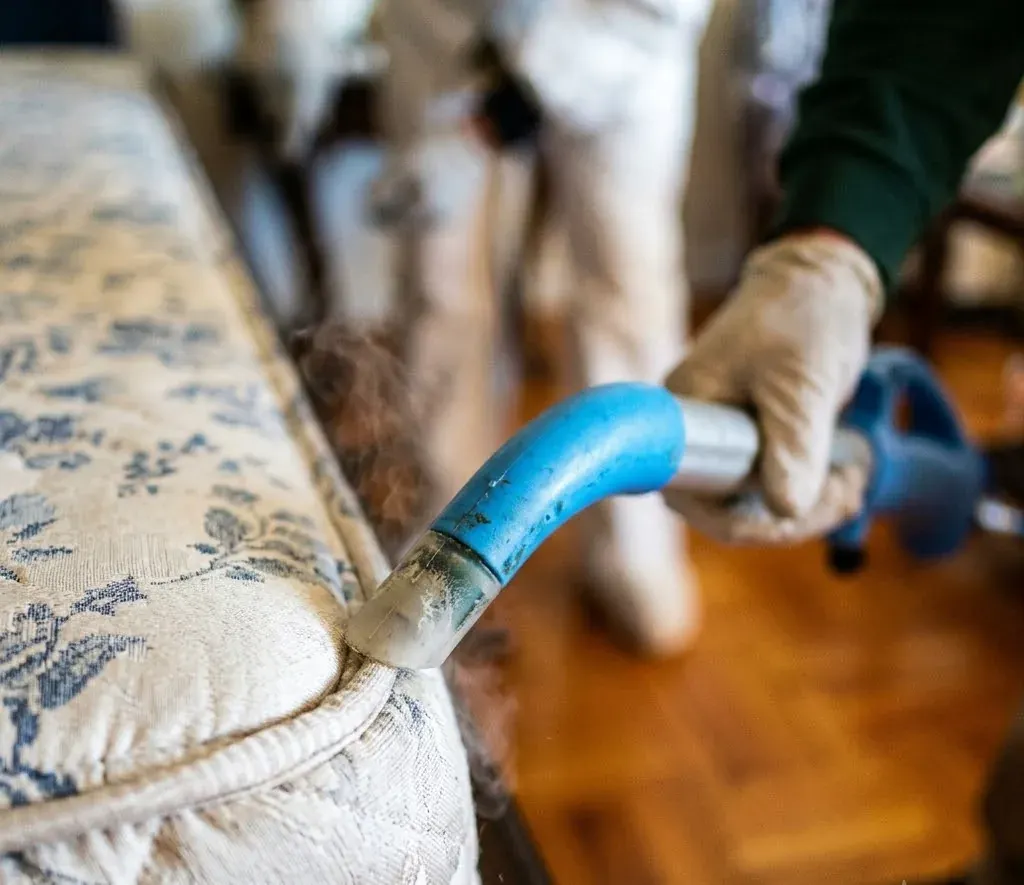
The empty unit between tenants is the cheapest and cleanest time to deal with bed bugs, provided nobody reaches for a fogger…
Read article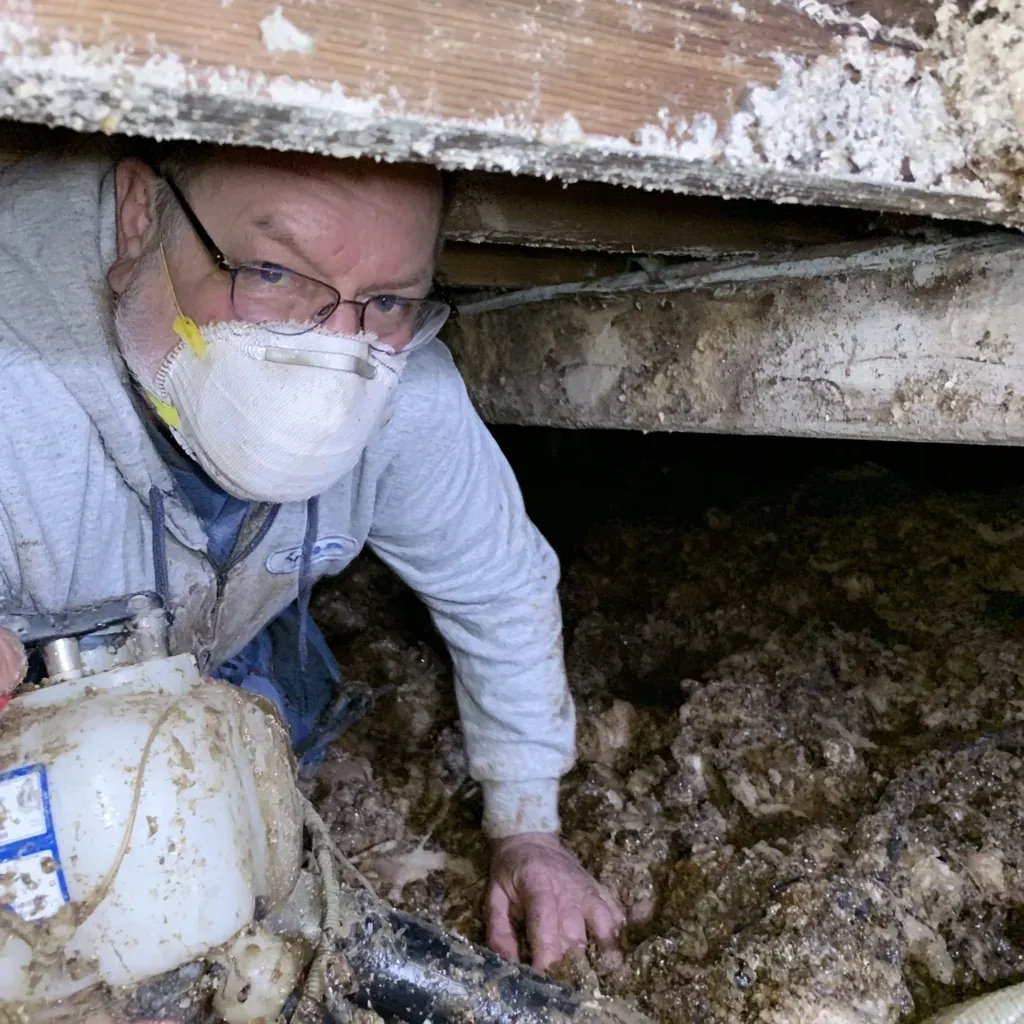
One number on an inspection report tells you more about a crawl space than any photograph. Here is what sits behind it…
Read article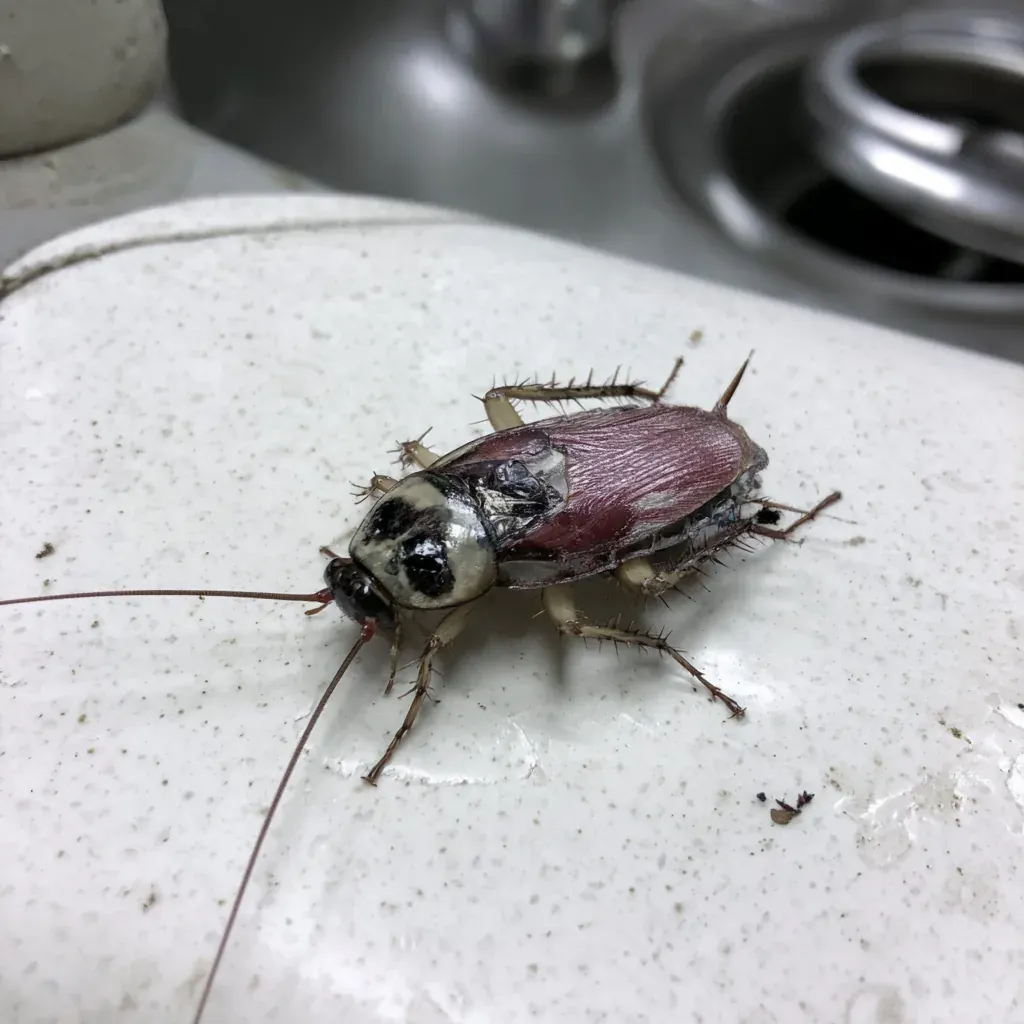
Big roaches after a summer storm are a water story rather than a kitchen story. Here is where they come from and…
Read articleFrom work booked across Fayetteville and Cumberland County, plus the state's own published guidance where a fact needs a source rather than an opinion. They are ordered by what is actually moving at a given point in the year, because a swarm window that opens in late winter and is still open in September does not fit the spring-to-autumn shape most pest writing assumes.
Most of the prevention, and it is worth doing. Keep the gutters running and the ditch clear, tip out anything holding water after a storm, pull mulch and pine straw back off the siding, fit door sweeps, and keep the ground under the floor as dry as you can. The state adds two numbers worth remembering: exterior woodwork wants at least six inches of clearance above the soil, and beams under a raised floor want eighteen inches so the space stays inspectable.
At the structure, and at anything breeding indoors. Subterranean termites need soil treatment and somebody who can read mud tubes, and North Carolina requires the agreement behind that work to be in writing anyway. Bed bugs return if one room in a block gets skipped. Shop-bought roach spray usually pushes a population deeper into the voids rather than ending it. An animal under a floor is a safety job. And bats are their own case: exclusion is prohibited statewide from 1 May to 31 July because the young cannot fly yet.
When it comes back after you treated it. When you can hear or smell something but cannot find it. When wood sounds hollow, or a floor gives slightly underfoot. When an animal is already inside the structure. Or when a sale date is set and you need a WDIR-100 in hand. The inspection costs nothing, so finding out where you stand costs you an hour.
Then stop reading. If something is already in the building or underneath it, get somebody to look at it properly. There is no charge for that, and the figure that follows arrives in writing.
Call (855) 563-1479