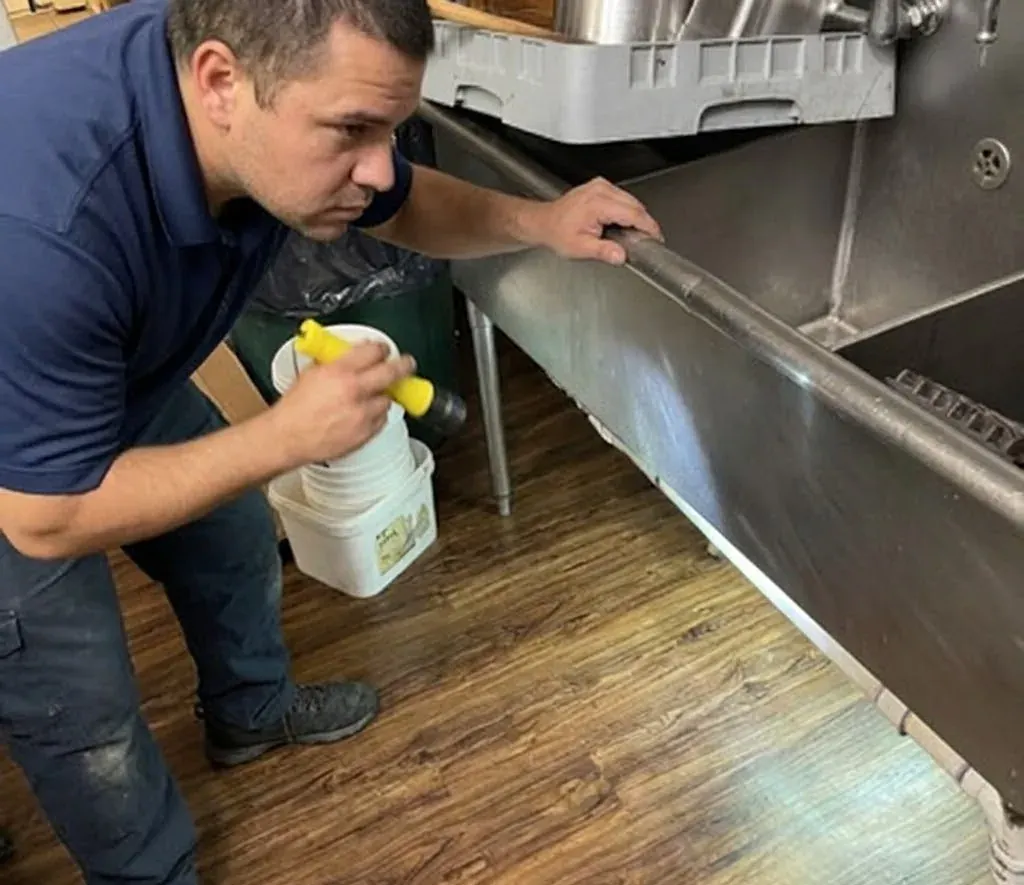
Restaurants
Kitchens, bars and food service. The record follows the store, so the log matters as much as the treatment.
See what this involves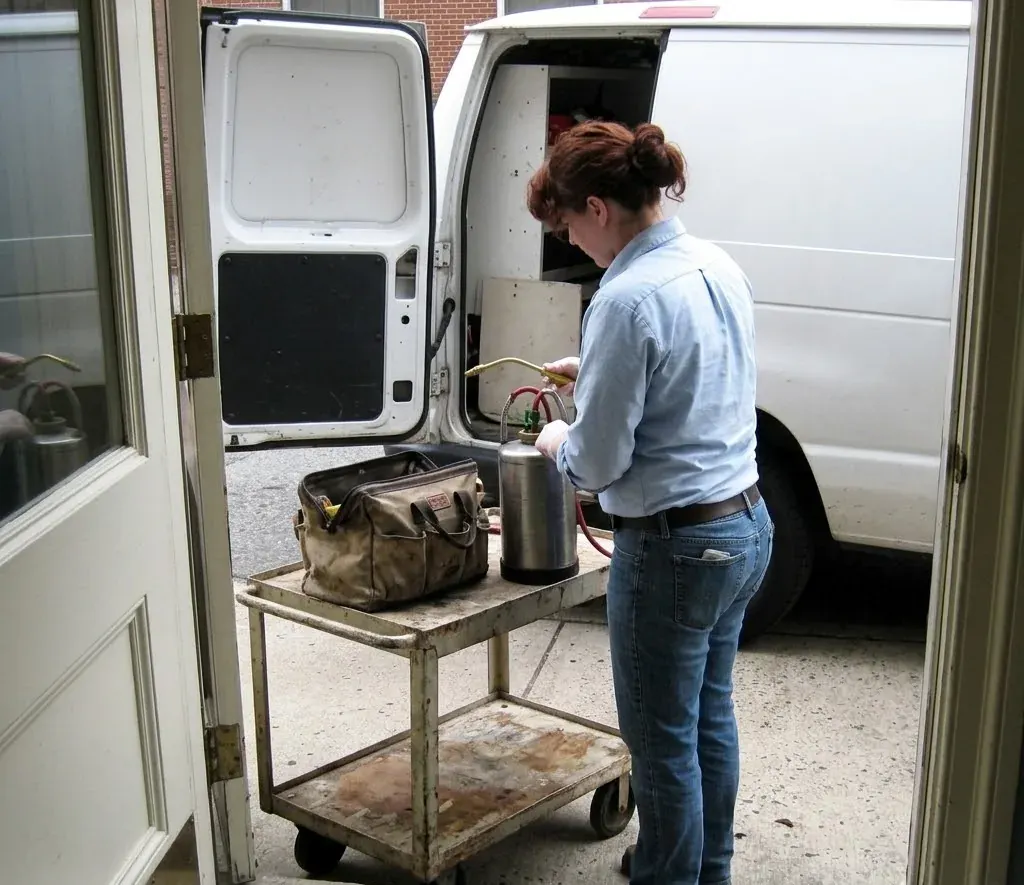
Scheduled, logged, low-odor work timed around trading hours, from downtown kitchens to apartment blocks and the distribution buildings out along I-95.
One roach crossing a dining room in Fayetteville is in a review inside the hour and in an inspection note not long after. Keeping a commercial building clear around here is mostly about holding the outside pressure off before it reaches a customer, which in practice means drains, grease traps, bin pads, dock seals, door sweeps and the strip of ground around the slab.
The commercial pros we connect you with run to a fixed rota and log it: every device checked, what was found, what went down, and what has changed since last time. Visits land while the doors are shut or the floor is quiet. After a wet week the outside work steps up, because water filling the low ground pushes rodents and roaches toward whichever building is driest, and across the Sandhills that is usually the one with a dock door propped open. Schools sit slightly apart from all of this: the Schoolchildren's Health Act of 2006 drives an IPM policy, an annual notice to parents and staff, and 72 hours' warning of an unscheduled application, so the paperwork has to exist before the product does.
A dining room, a forty-unit apartment block and a distribution shed have almost nothing in common except the paperwork. Each gets its own plan and its own visit time, written around the building rather than around our route.
Kitchens, bars and food service. The record follows the store, so the log matters as much as the treatment.
See what this involves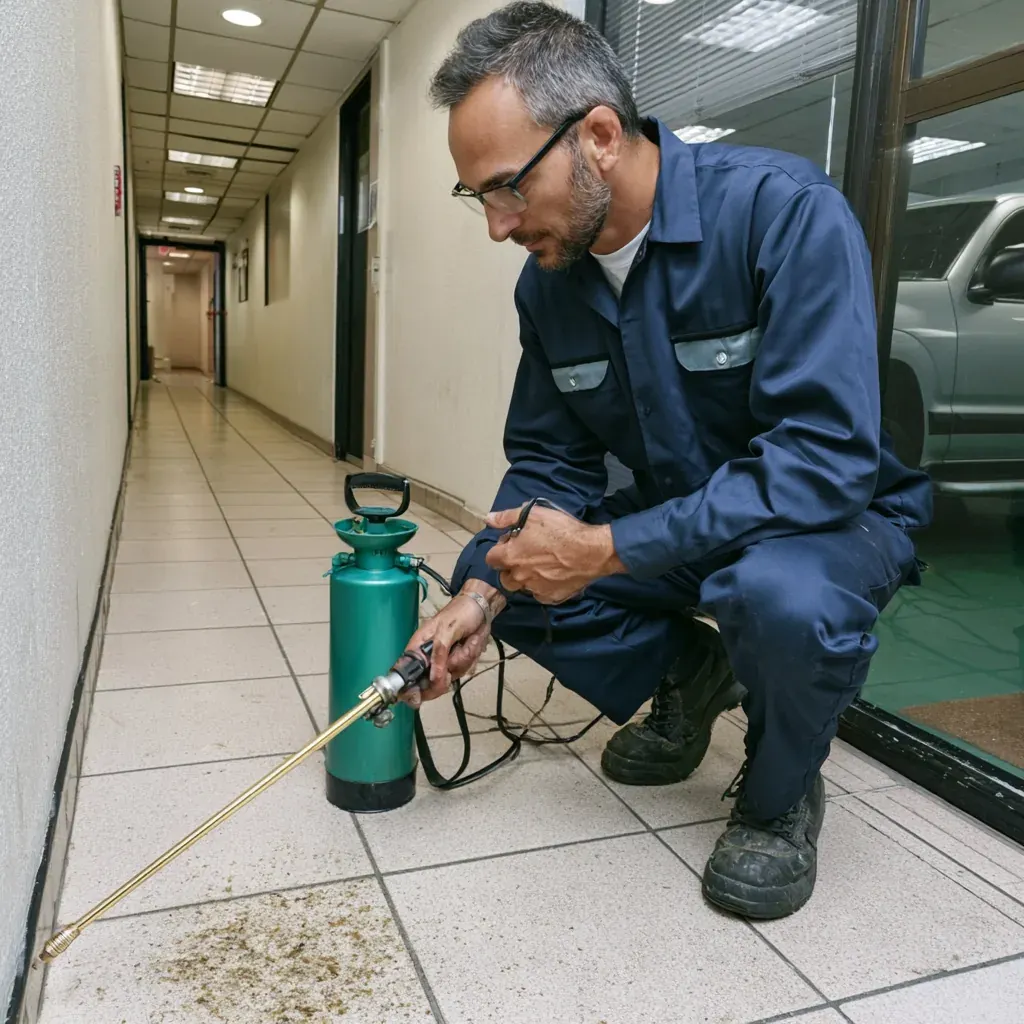
Apartments, duplexes and rental portfolios. Treating a building beats treating a unit, every time.
See what this involves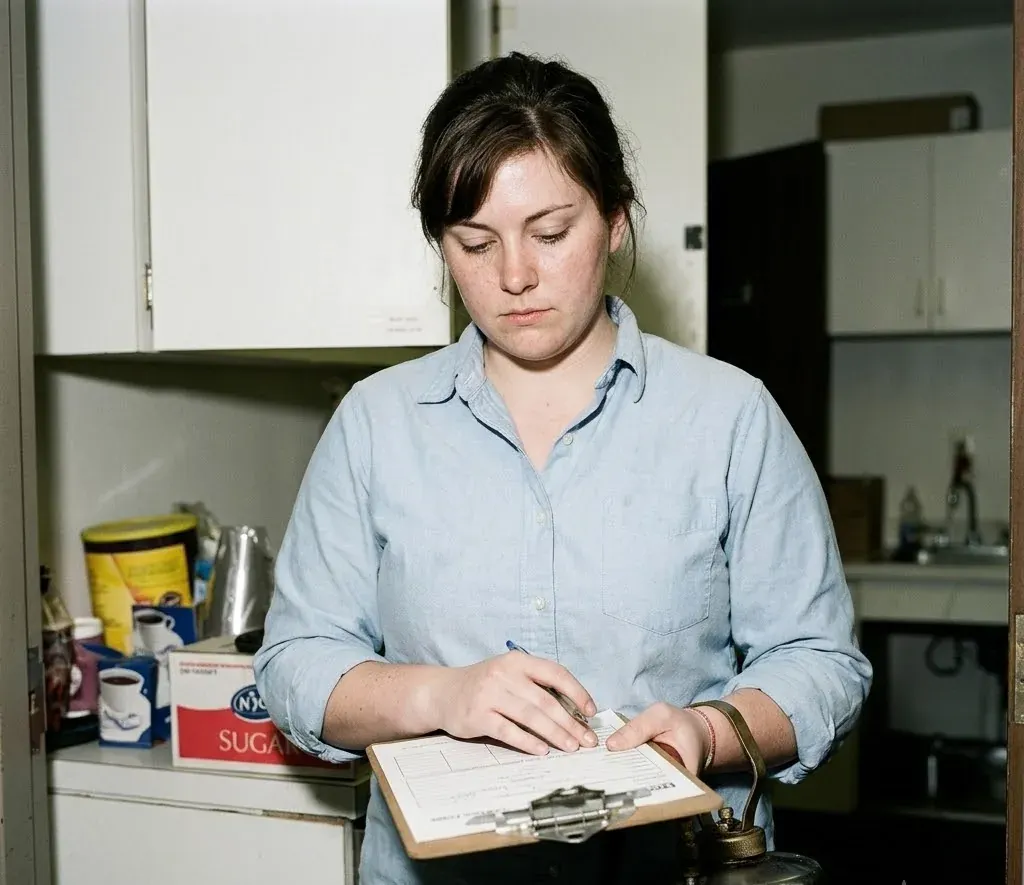
Multi-site accounts and owner reporting. One account, many addresses, one record you can hand to an owner.
See what this involves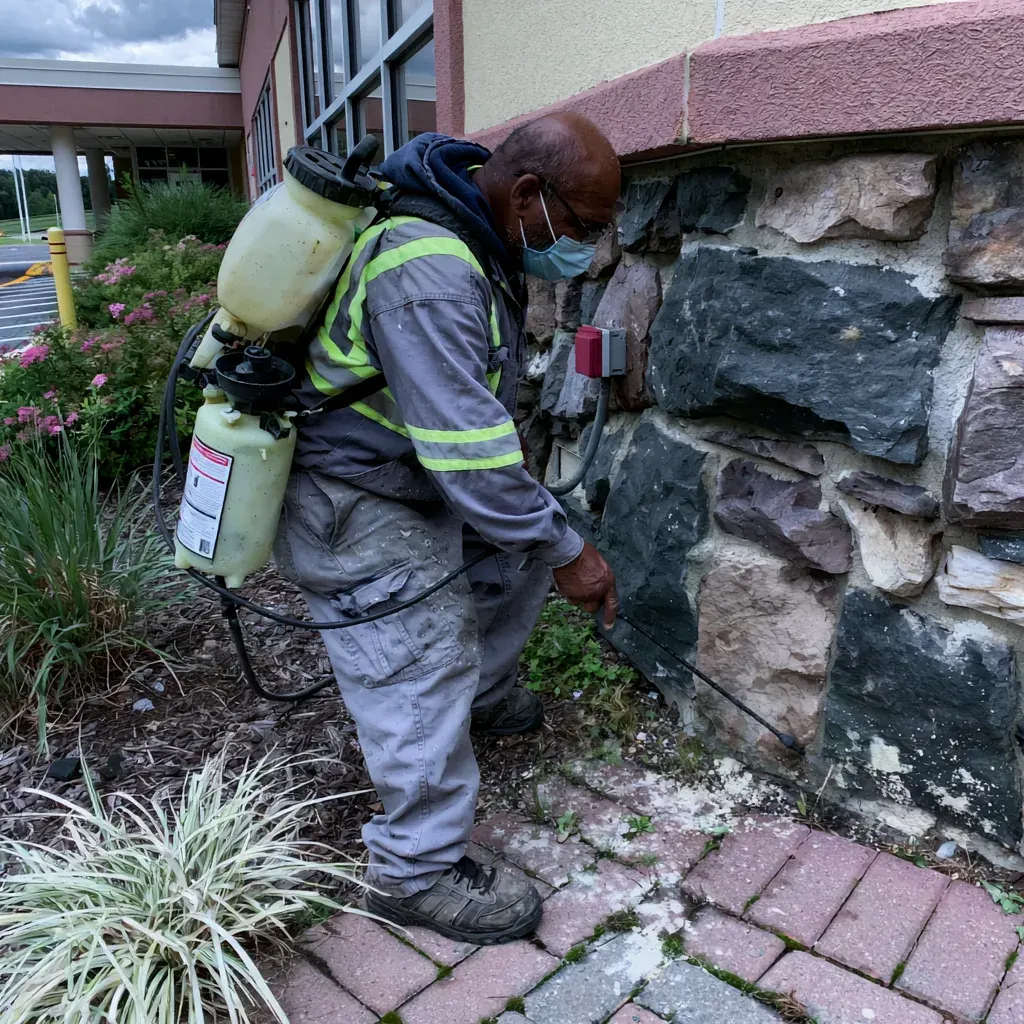
Docks, racking and inbound freight. Freight is the front door, and I-95 runs right past it.
See what this involves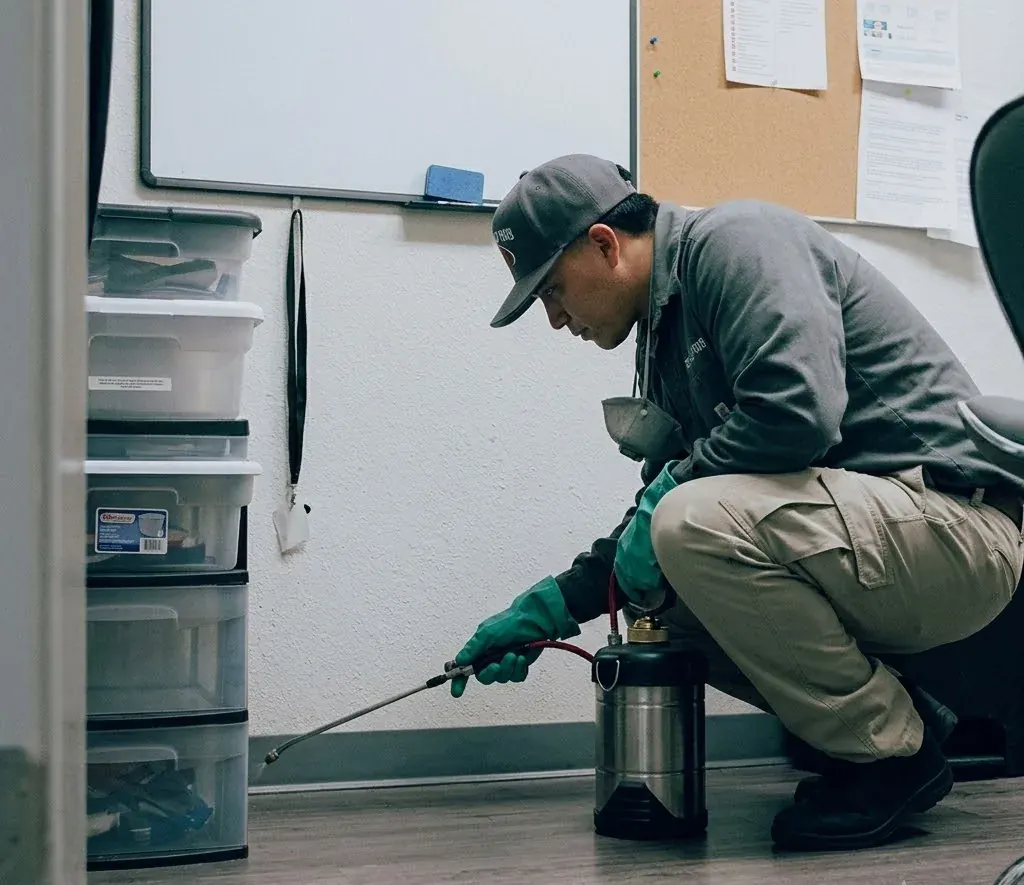
Office suites and professional buildings. The break room is the food source.
See what this involves
Storefronts, groceries and convenience stores. One sighting on the sales floor costs more than a year of service.
See what this involves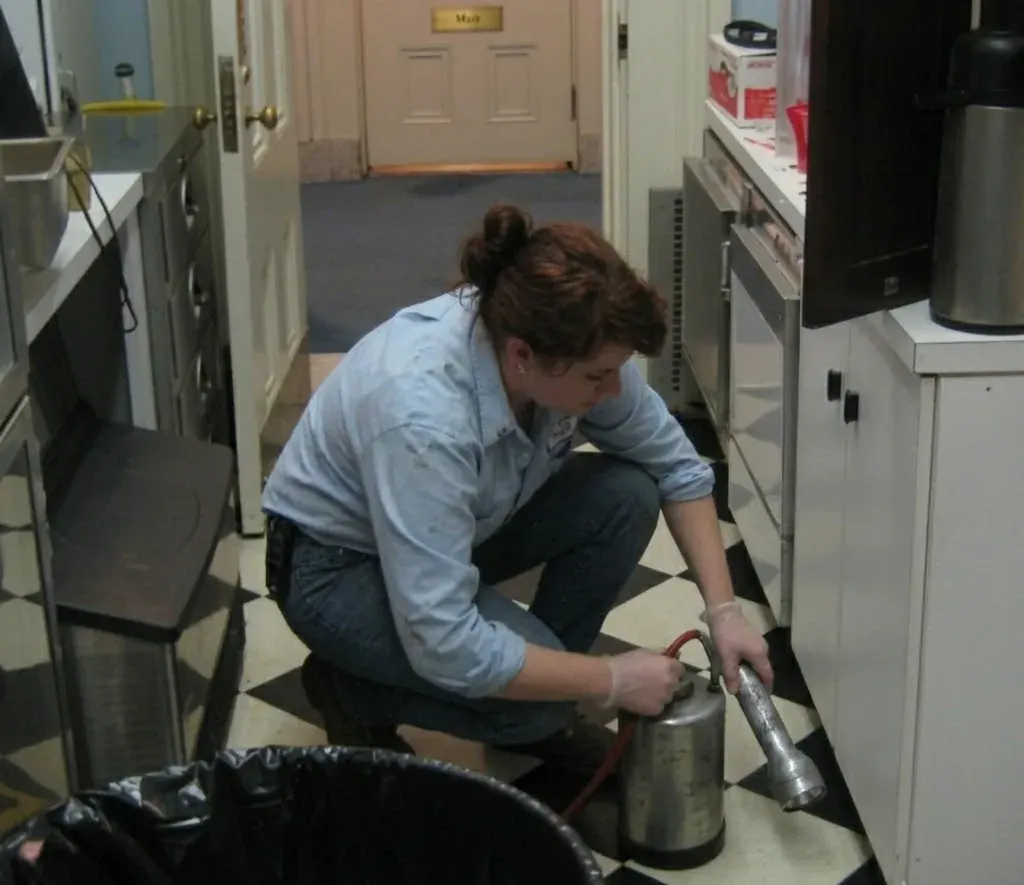
K-12 campuses, daycare and after-school rooms. The notification duty is the part most quotes never mention.
See what this involves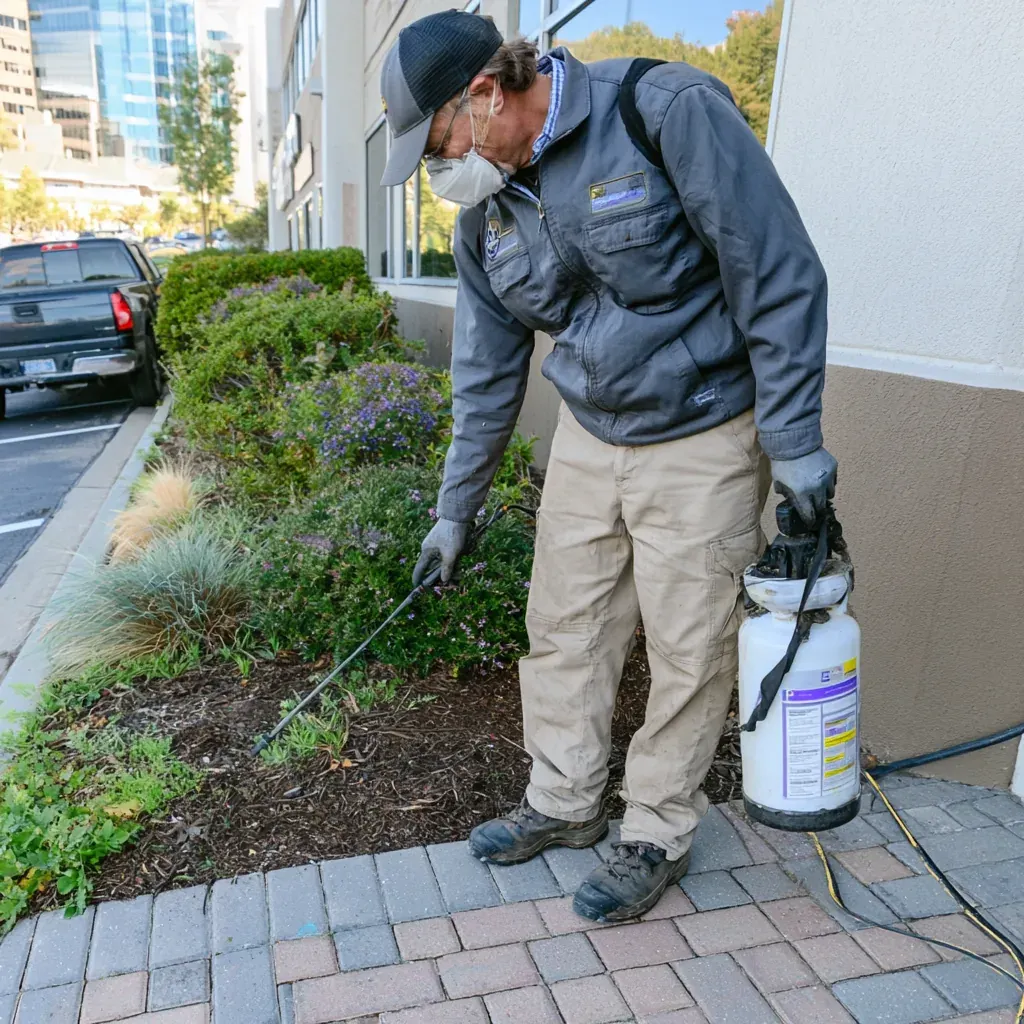
Clinics, care homes and senior living. Occupants who cannot leave the room change every decision on the plan.
See what this involves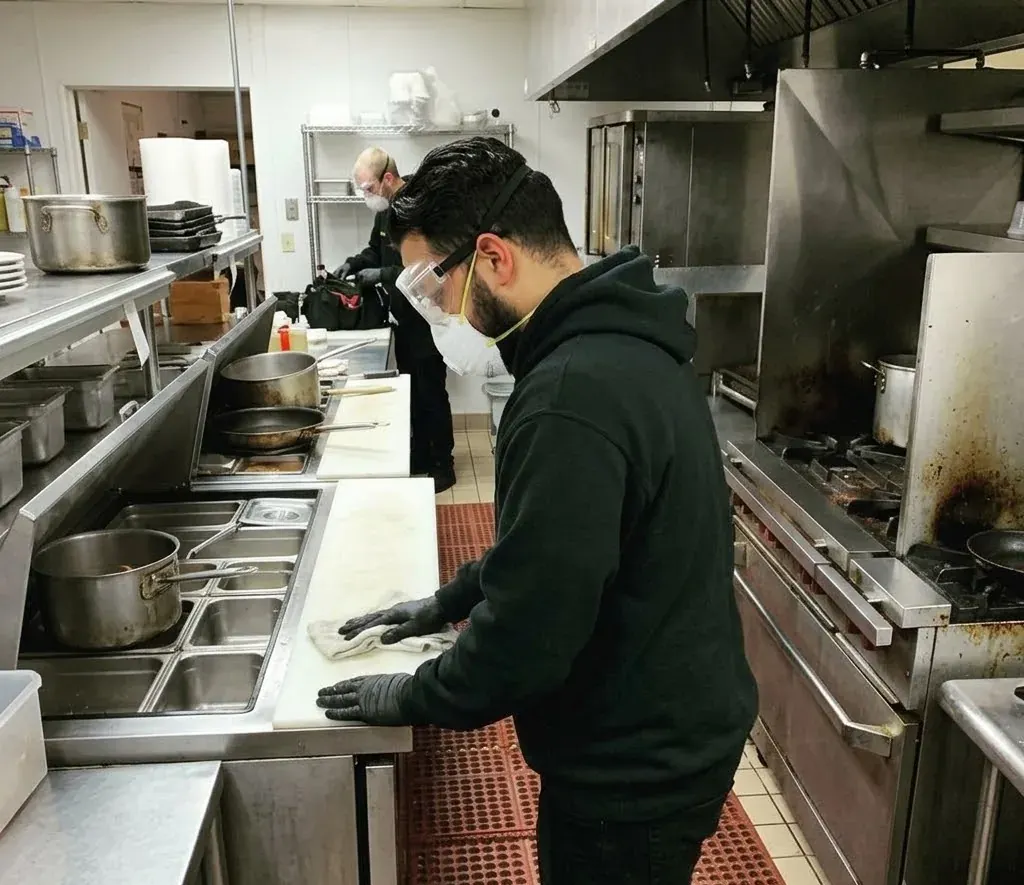
Service tickets, a numbered site map, a corrective action list and a log somebody can read standing in your kitchen.
Learn about Commercial Pest ControlKitchens, bars and takeaways, apartment and rental stock, grocery and convenience, warehouses and distribution buildings out along I-95, clinics and care homes, offices, schools, daycares and church halls across Cumberland County. Visits land when the doors are shut or trade is quiet.
That is what they exist for. Every device check, every finding and every product used gets logged, so when an inspector asks what has happened since the last visit the answer is on paper rather than left to somebody remembering. Schools have their own requirement on top: North Carolina’s Schoolchildren’s Health Act of 2006 drives an IPM policy and annual notification, so that paperwork has to exist before product does.
It is the standard pattern in this market, and it is the reason commercial work here leans so heavily on the exterior. American and smokybrown roaches are breeding in the mulch, the drains, the grease trap and the gutter line, then coming in under a propped door in the two days after a downpour. So the soil band, the bin pad, the dock seal and the drains get at least as much attention as anything inside, and usually more.
Most sites settle on monthly or every other month, with the same technician coming back so changes get noticed, monitoring in between, and an unscheduled call-out already covered if something shows up early. Nothing is on a twelve-month commitment to get the rate. It rolls, and it stops when you say so.
Use an estimated $85–$239 per visit as the planning band for commercial pest control in Fayetteville. Three things move it: how much area gets treated, how hard the substructure is to reach, and whether the yard needs covering as well as the building. The visit that produces the exact number costs nothing, and nothing is added to it afterwards.
A technician goes through the kitchen, the dock, the bin pad and the outside line, then writes a rota that fits the way your Fayetteville site actually trades.
Call (855) 563-1479