Homeowner Tips
Bed Bugs at Turnover: A Landlord's Playbook in Fayetteville
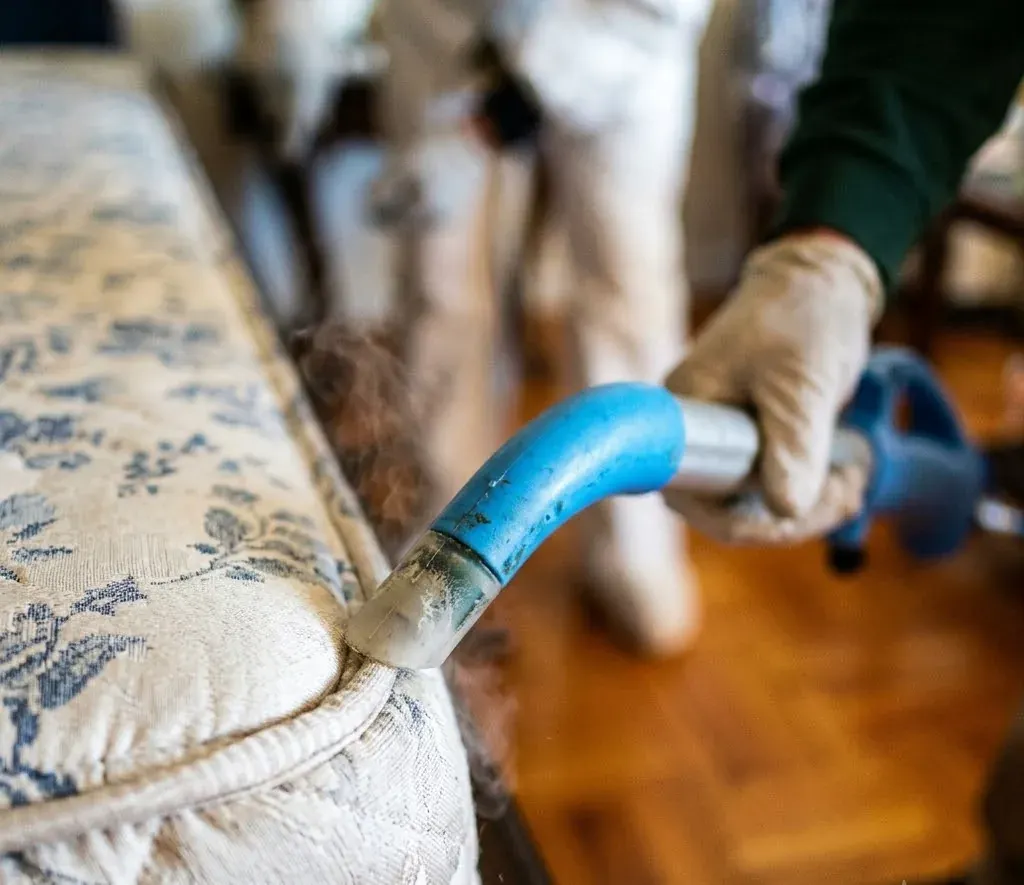
The empty unit between tenants is the cheapest and cleanest time to deal with bed bugs, provided nobody reaches for a fogger…
Read article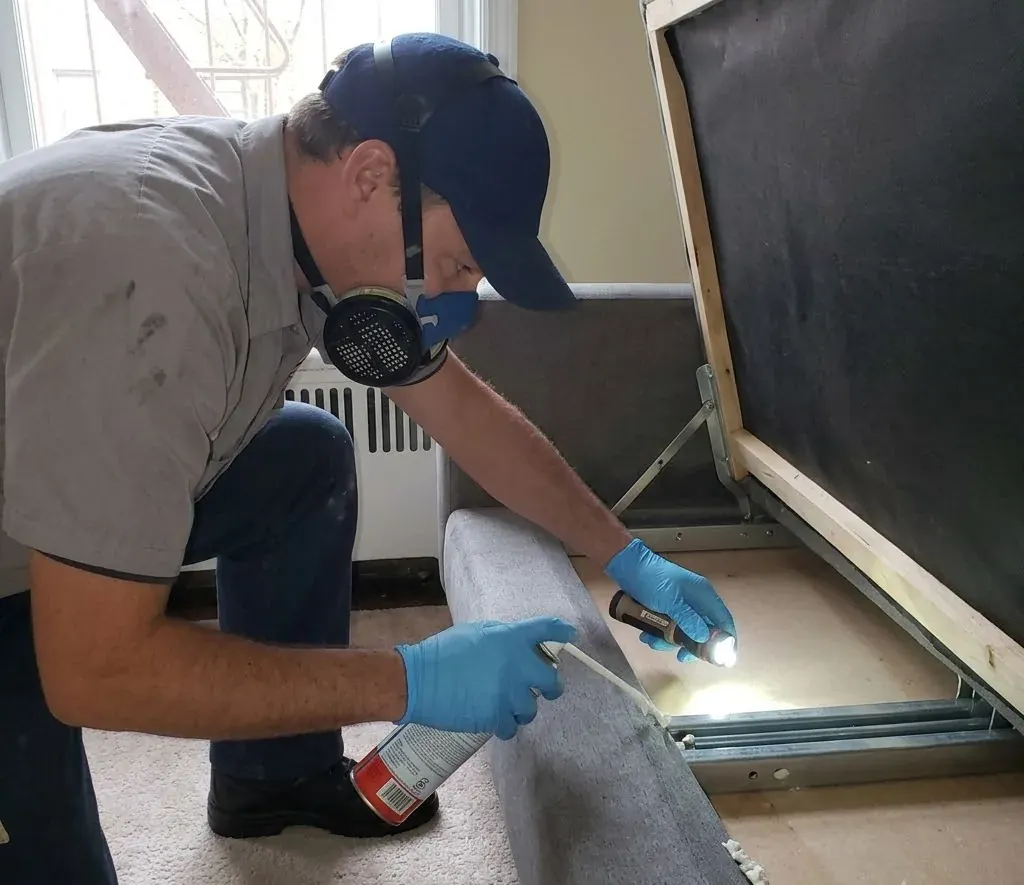
The inspection needs the evidence left where it is, and a shared building needs treating as a building.
Before an inspection, there is one thing not to do: strip every bed and run the whole house through a hot wash. It feels like taking charge and it destroys the only map anybody had. The dark specks along a mattress seam, the shed skins wedged in a headboard joint, the stained line where the fitted sheet tucks under the corner: that is the evidence telling an inspector which rooms are involved, roughly how long it has been going on, and where the harborage sits. Launder it all first and the treatment gets planned on guesswork instead.
The second thing worth knowing early is that these insects travel with people and along shared structure. Rental turnover around the Fort Bragg area is steady, and in a duplex or an apartment block, treating one unit while the neighbors either side and the one above go untouched pays for a wall the bugs simply walk around. If you are in a multi-unit building, the first call is to the property manager, in writing, so the adjoining units can be inspected in the same week rather than three months later.
That first-week inspection matters as much on a Fayetteville street as it does anywhere else the licensed pros we connect you with cover, and the coverage runs well past the city limits: out to Dunn, roughly 25 miles northeast on US 301, down to Lumberton along I-95, and up toward Erwin near the Cape Fear River. A single missed follow-up visit on any of those jobs undoes the first one just as fast.
Bed bugs travel by way of people, not plumbing, which is why a first-attempt fix in Fayetteville rentals near Fort Bragg's turnover corridor looks different from one in a Hope Mills duplex off Rockfish Creek or a Spring Lake unit near Pope Army Airfield. Shared laundry rooms, quick move-outs, and secondhand furniture moving between Raeford and the base towns all reintroduce what a single treatment just cleared, so the licensed pros we connect you with plan the recheck schedule around how the unit actually turns over, not just the floor plan.
Rentals near Hope Mills Lake and the older duplexes closer to Cross Creek tend to fail a first treatment for the same reason: bed bugs ride the walls between units long before anyone spots one crossing a hallway. Fayetteville's mix of subdivided houses and multi-unit rentals means one bedroom's mattress seams can look clean while the wall outlet six feet from Arsenal Avenue still holds a cluster, which is why the licensed pros we connect you with check adjoining rooms on the same visit instead of treating a single address in isolation.
Whether you're in Stedman, Rockfish, Dunn, or elsewhere around Fayetteville, bed bug treatment has to account for sand that drains fast and then holds damp underneath anyway, plus a warm season long enough that nothing gets a proper reset. That is why this outlasts a straight interior spray.
The treatment is the same either way. The scheduling and the paperwork are not: residential pest control for a home, commercial pest control for anywhere with customers or tenants in it.
Reactions vary a lot between people, and some households never react at all, so bites on their own confirm nothing. They are a reason to go looking at the mattress seams and the bed frame joints with a flashlight. See a doctor if a bite becomes infected.
Small ink-like dots that smear if you wipe them with a damp cloth are digested blood. They collect where the insects rest, which means seams, piping, the underside of a slat and the holes in a bolt-together frame.
A heavier population carries a distinct smell that people usually describe as sweet or musty and only place once somebody names it. On its own it means very little. In a room that already has specks along the mattress seam it means the population has been there a while.
Shed skins look like empty shells and hold their shape, so they persist long after the insect has moved. Finding several sizes in one spot says a population has been breeding there rather than a single hitchhiker having arrived last week.
A trip, a hotel stay, a barracks bag, a used bed frame or a couch collected from the curb are the usual routes in. Tracing the start date helps decide whether this is one room or something that has had months to spread down a hallway.
Beds, frames, headboards, seating, nightstands and the carpet edge get checked with the evidence still in place. Photographs and a written list of affected rooms come out of that, which is what the treatment plan is built from.
You get a short, specific list: what to bag, what to launder and dry hot, what to leave completely alone. Doing more than the list, or shifting belongings into an untouched room, is the most common way a job gets harder.
Seams, voids, frame joints and furniture get worked directly, and a second visit follows a couple of weeks later. That second pass exists because eggs laid before the first treatment hatch after it.
Encasements go on, interceptors go under the bed legs, and the room gets rechecked. A job ends on evidence that catches have stopped, not on the calendar running out.
A half-finished bed bug job is worse than no job, because survivors scatter into rooms that were clean and the household starts sleeping elsewhere, which spreads it further. The two things that decide the outcome are both unglamorous: an inspection with the evidence intact, and follow-up visits timed to the hatch. Skip either and you pay twice for the same bedroom.
The Residential Rental Agreements Act sits in N.C.G.S. Chapter 42, Article 5. Under G.S. 42-42 a landlord has to make all repairs and do whatever is necessary to put and keep the premises fit and habitable, and that obligation covers the entire tenancy rather than the move-in date. Those duties cannot be waived by agreement. What that does not settle is who pays for a given pest problem, which depends on the lease and on the cause.
Tenant obligations are set out separately at G.S. 42-43. The practical advice published in North Carolina consumer material is to report needed repairs in writing and keep a copy, avoid damaging the premises, and keep paying rent while the issue is dealt with. Short-term and vacation lets are a different arrangement, so do not assume Article 5 applies to one without checking.
Plan with these rather than quote from them. For bed bug treatment, getting at the substructure moves the number further than floor area does, and that is why an honest price does not come down a phone line.
| Which band | What happens | Estimated |
|---|---|---|
| Contained | One live spot, say a run behind a kitchen cabinet or a single mound | an estimated $235–$1105 |
| Routine call | Interior placements with the vents, the weep holes and the slab edge | an estimated $280–$1575 |
| Bigger job | A bigger property, or something that has had a season to bed itself in | an estimated $420–$2520 |
| Staged | Something with a history behind it, so several visits and sealing | an estimated $670–$4200 |
Screening and debris removal get their own line, because burying them is how a quote quietly grows on you. The pricing guide has all of it, including where a policy will and will not help.
Usually not. Mattresses get treated and then sealed in a zippered encasement, which traps anything left inside and makes future checks easy. A mattress put out on the curb also carries the problem to whoever picks it up, and buying a new one before the room is treated is a good way to lose the new one too.
Pick up clutter from the floor, clear a path around each bed, and leave the bedding, the frame and the furniture exactly as they are. Hold off on laundering anything until you have been given a list. Do not move mattresses, bags or clothing into another room, because that is how a one-room problem becomes a three-room one.
Two or three across four to six weeks is typical for a room or two, more where several rooms are involved or where seating and a bed frame are both harboring. Anybody quoting one visit and no follow-up is quoting a second visit later at full price.
Both work when they are done thoroughly and both fail when they are rushed. Whole-room heat reaches voids in one pass and needs the room fully prepared and monitored. Conventional treatment costs less and relies on placement plus follow-up. Ask which is being proposed for your rooms and why, and get the plan in writing.
Report it to the landlord or manager in writing straight away and keep your copy. North Carolina puts a repair duty on landlords for the whole tenancy, and it cannot be signed away, but whether a specific pest bill falls to the landlord or the tenant still turns on the lease and on the cause. Do not stop paying rent while it is being sorted out.
Figure an estimated $250 to $500 for a single room, with whole-home and multi-room work priced after the inspection because the room count and the amount of furniture involved drive it. Heat treatment sits above conventional work. These are guide figures rather than a quote.
No. Keep sleeping in the treated room unless you have been told otherwise. Bed bugs follow the person, so moving to the couch or a spare room usually starts a second infestation there while the original one goes hungry and quiet, which is the worst of both.
Bed bug treatment runs an estimated $279–$1050 per treatment on an ordinary Fayetteville property. A guide, not a binding price. Somebody reads the foundation and the ground against it, then writes the number down for you to approve or refuse. We set these bands a little under the going local rate on purpose.
Worth a read if you are still not certain what you are looking at.
The empty unit between tenants is the cheapest and cleanest time to deal with bed bugs, provided nobody reaches for a fogger…
Read article
Four treatment stages, one release form only an owner should sign, and the coverage question to settle before the builder's year runs…
Read article
One clause decides whether a company comes back to spray or pays for carpentry. Most homeowners never read it until the joist…
Read articleSay what you have seen and roughly where it is. You get a straight read on whether this even needs bed bug treatment, and a written figure if it does.
Call (855) 563-1479